If you’re thinking about selling your home—or even just planning ahead—you’ve probably wondered: can DIY projects actually increase home resale value?
The short answer is yes, but only when done strategically, safely, and professionally. Not all DIY improvements add value. Some upgrades attract buyers and boost offers, while others can reduce appeal if poorly executed.
In this comprehensive guide, we’ll break down which DIY projects truly increase resale value, which ones to avoid, and how to approach upgrades in a way that protects both your investment and your credibility as a seller.
Understanding How Resale Value Works
Before picking up a paintbrush, it’s important to understand what buyers value.
Resale value is influenced by:
- First impressions
- Structural integrity
- Functional upgrades
- Energy efficiency
- Aesthetic consistency
- Maintenance condition
Buyers aren’t just purchasing a house. They’re buying perceived quality, safety, and convenience. DIY projects that align with those priorities can absolutely increase resale value.
DIY Projects That Typically Increase Home Resale Value
Let’s start with high-impact, lower-risk upgrades that consistently appeal to buyers.
1. Fresh Interior Paint
Few projects offer a better return on investment than painting.
Why it works:
- Neutral tones create broad appeal
- Fresh paint signals cleanliness
- Covers scuffs and wear
- Brightens dark spaces
Stick to timeless colors such as:
- Warm whites
- Soft greys
- Light beiges
Avoid bold, highly personalized colors before listing. Buyers want a blank canvas.
2. Updated Cabinet Hardware
Swapping outdated cabinet knobs and drawer pulls is simple but effective.
Why it adds value:
- Modernizes kitchens and bathrooms
- Low cost with high visual impact
- Signals attention to detail
Choose cohesive finishes like brushed nickel, matte black, or warm brass for a contemporary look.
3. Improved Lighting Fixtures
Lighting dramatically influences buyer perception.
Replacing outdated fixtures with modern, energy-efficient options can:
- Brighten rooms
- Create visual interest
- Increase perceived square footage
- Improve energy efficiency
Avoid overly trendy styles that may age quickly.
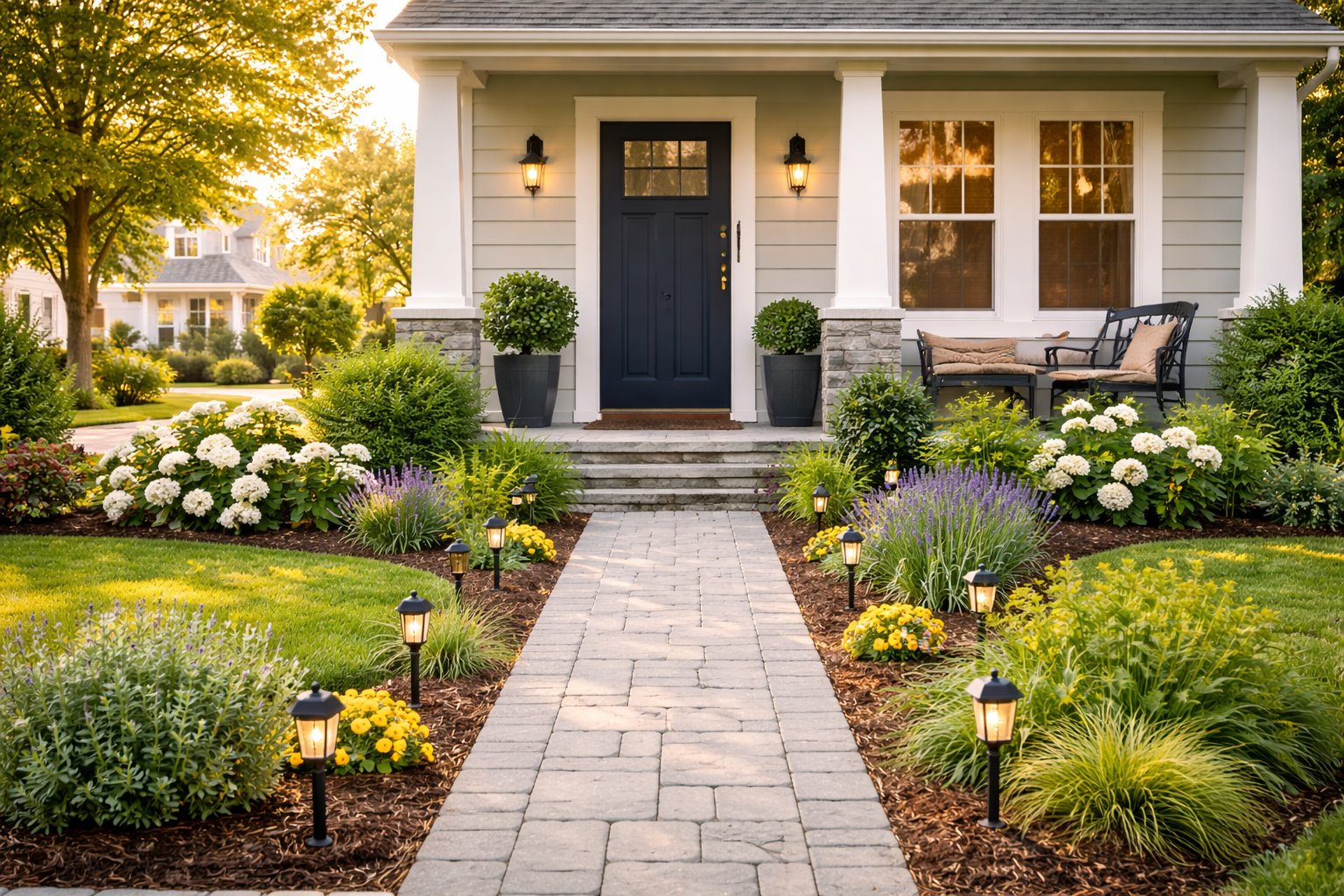
4. Curb Appeal Enhancements
Exterior appearance shapes buyer expectations before they even step inside.
Safe DIY curb appeal projects include:
- Repainting the front door
- Adding updated house numbers
- Landscaping clean-up
- Mulching flower beds
- Installing solar pathway lights
Small exterior upgrades often yield strong psychological impact.
5. Bathroom Refreshes (Not Full Remodels)
Bathrooms sell homes—but full remodels aren’t always necessary.
Value-boosting DIY updates:
- Replacing mirrors
- Updating faucets
- Re-caulking tubs
- Installing new showerheads
- Repainting vanities
These small updates suggest maintenance without requiring expensive construction.
6. Energy-Efficient Improvements
Energy efficiency is increasingly important to buyers.
Consider:
- Weather stripping doors
- Installing programmable thermostats
- Sealing windows
- Adding LED lighting
Lower energy costs improve buyer confidence.
DIY Projects That May NOT Increase Resale Value
Now let’s examine common mistakes.
1. Highly Personalized Designs
Custom murals, extreme color schemes, and bold wallpaper may appeal to you—but buyers may see added work.
Personal style doesn’t always equal market value.
2. Poorly Executed Installations
Crooked tile.
Uneven trim.
Misaligned cabinets.
DIY quality matters. Buyers notice imperfections immediately.
If your workmanship looks amateur, it can decrease perceived value.
3. Structural Modifications Without Permits
Removing walls, modifying plumbing, or altering electrical systems without proper permits can create legal and financial problems.
Buyers often request inspection reports. Unpermitted work can derail sales.
4. Over-Improving for the Neighborhood
Installing luxury finishes in a modest neighborhood rarely returns full investment.
Align upgrades with local market standards.
The Psychology Behind DIY and Buyer Perception
Resale value isn’t only about materials—it’s about trust.
When buyers walk through a home, they subconsciously ask:
- Was this home maintained properly?
- Are upgrades done correctly?
- Will I inherit hidden problems?
Well-executed DIY projects build trust. Sloppy work erodes it.
Professional-looking upgrades increase buyer confidence and competitive offers.
Cost vs. Return on Investment (ROI)
Not every DIY project yields equal return.
Generally high ROI DIY upgrades:
- Paint (often 100%+ ROI)
- Minor kitchen updates
- Landscaping
- Lighting improvements
- Smart home features
Lower ROI DIY upgrades:
- Luxury finishes
- Highly customized layouts
- Extensive flooring replacement (if unnecessary)
Strategic DIY focuses on visible, functional improvements.
How to Ensure Your DIY Projects Add Value
Here’s how to approach DIY resale improvements intelligently:
1. Research Your Local Market
Look at comparable homes in your area.
- What finishes do they feature?
- What price range are they in?
- What upgrades stand out?
Align your improvements with buyer expectations.
2. Focus on Function First
Buyers prioritize function over aesthetics.
Fix:
- Leaks
- Cracks
- Drafts
- Loose fixtures
A home that feels solid commands stronger offers.
3. Keep It Neutral
Neutral spaces allow buyers to imagine themselves living there.
Avoid trendy or polarizing designs.
4. Maintain Professional Standards
Even when doing DIY, follow professional practices:
- Measure carefully
- Use proper tools
- Sand between coats
- Allow adequate drying time
- Clean thoroughly after completion
Quality craftsmanship is essential for resale success.
Small-Space Value: Apartment and Condo Considerations
If you’re upgrading a small apartment or condo, safety and non-invasive upgrades matter even more.
Some improvements must comply with HOA rules or lease restrictions.
If you’re unsure which upgrades are safest in compact spaces, reading What are the safest DIY projects for small apartments? can help you avoid costly mistakes and improve resale appeal responsibly.
Small, smart updates often outperform large, risky renovations.
The Importance of Documentation
Buyers appreciate transparency.
Keep records of:
- Materials used
- Paint brands and colors
- Warranty information
- Appliance manuals
- Receipts for upgrades
Documentation builds credibility.
When to Hire a Professional Instead
Some projects should never be DIY if resale value is your goal.
Consider hiring professionals for:
- Roofing
- Electrical panel upgrades
- Structural changes
- Foundation repairs
- Major plumbing
Buyers often request proof of licensed work.
Professional documentation protects resale value.
Realistic Expectations
DIY projects can increase resale value—but not infinitely.
You won’t always recoup 100% of costs. The goal is to:
- Increase buyer appeal
- Reduce negotiation leverage
- Shorten time on market
- Improve offer competitiveness
Smart DIY enhances marketability.
Final Thoughts
So, can DIY projects actually increase home resale value?
Yes—when they are:
- Strategic
- Market-aligned
- Professionally executed
- Safety-conscious
- Function-focused
DIY is a powerful tool when used wisely.
Fresh paint, updated fixtures, curb appeal enhancements, and energy efficiency improvements consistently boost buyer interest.
However, poorly executed or overly personalized projects can have the opposite effect.
If your goal is resale value, think like a buyer.
Improve clarity. Improve function. Improve presentation.
And always prioritize quality over speed.