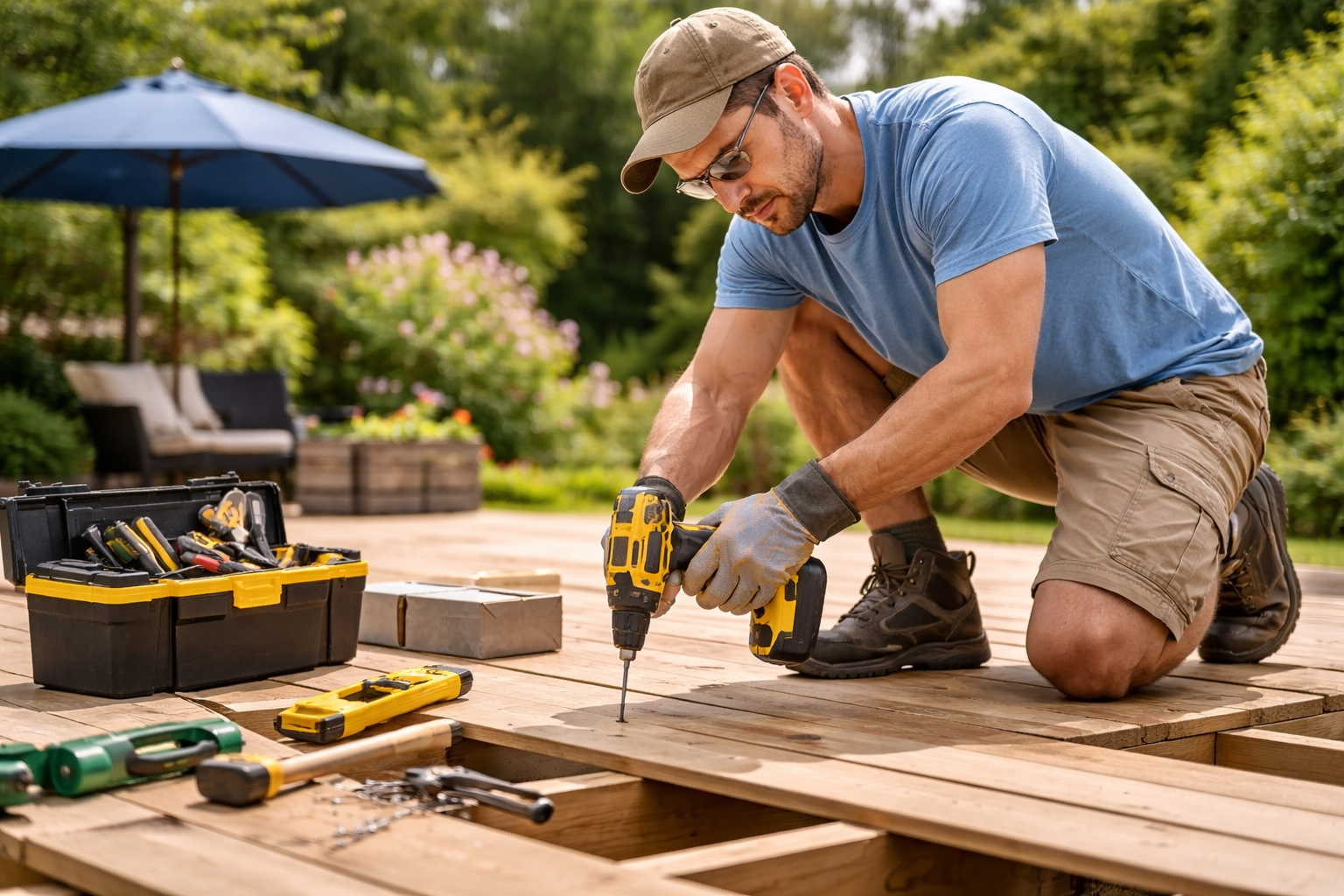
Outdoor DIY projects can transform your home’s exterior, boost curb appeal, and save money. However, one factor that many beginners underestimate is weather. Temperature, humidity, wind, and precipitation all play a major role in how successful—or frustrating—your project becomes.
So how do weather conditions affect outdoor DIY projects?
Weather directly impacts material performance, drying times, structural integrity, and safety. Ignoring these factors can lead to peeling paint, warped wood, cracked concrete, and even dangerous working conditions.
In this comprehensive guide, you’ll learn how different weather conditions influence outdoor DIY projects and how to plan effectively for the best results.
Why Weather Matters in Outdoor DIY
Unlike indoor projects, outdoor DIY work exposes materials and tools to the elements. Weather affects:
- Adhesion of paint and sealants
- Expansion and contraction of materials
- Drying and curing times
- Worker safety and comfort
- Overall durability of the finished project
Successful DIYers don’t just check their tools—they check the forecast.
Temperature: The Foundation of Outdoor Success
Temperature is one of the most critical factors in outdoor DIY.
Hot Weather Challenges
High temperatures can cause:
- Paint to dry too quickly
- Uneven finishes
- Adhesives to lose effectiveness
- Wood to expand
When materials dry too fast, they don’t bond properly. This leads to cracking, bubbling, or peeling.
Cold Weather Challenges
Low temperatures can:
- Prevent paint from curing
- Cause materials to become brittle
- Reduce adhesive strength
- Slow down drying times
Most paints and sealants require temperatures above 50°F (10°C) for proper application.
Ideal Temperature Range
For most outdoor projects, aim for:
- 60°F to 80°F (15°C to 27°C)
This range allows materials to cure properly and ensures better results.
Humidity: The Hidden Factor
Humidity is often overlooked, yet it plays a major role in outdoor DIY outcomes.
High Humidity Effects
Excess moisture in the air can:
- Extend drying times
- Cause paint to streak
- Lead to mold growth
- Affect wood stability
Paint applied in high humidity may remain tacky longer and attract dust or debris.
Low Humidity Effects
Very dry air can:
- Cause materials to dry too quickly
- Lead to cracking or uneven finishes
Balancing humidity is key to achieving smooth, professional results.
Rain and Moisture Risks
Rain is one of the most obvious hazards for outdoor DIY.
Immediate Risks
- Washing away paint or stain
- Weakening adhesives
- Causing slippery work surfaces
- Delaying project timelines
Long-Term Risks
- Trapped moisture leading to mold
- Structural damage
- Reduced durability
Always allow enough drying time before exposure to rain. Check forecasts carefully before starting projects.
Wind: The Overlooked Disruptor
Wind may seem minor, but it can significantly impact outdoor work.
Problems Caused by Wind
- Uneven spray paint application
- Debris sticking to wet surfaces
- Difficulty handling materials
- Increased safety risks on ladders
Strong winds can also dry materials unevenly, leading to inconsistent finishes.
Sunlight and UV Exposure
Direct sunlight affects both materials and working conditions.
Effects on Materials
- Paint may dry too quickly
- Sealants may cure unevenly
- Wood may warp or fade
Effects on Workers
- Increased fatigue
- Dehydration
- Reduced concentration
Whenever possible, work in shaded areas or during early morning and late afternoon hours.
Seasonal Considerations for Outdoor DIY
Different seasons present unique challenges.
Spring
Pros:
- Moderate temperatures
- Ideal for planting and landscaping
Cons:
- Frequent rain
- High humidity
Spring is great for preparation work but requires flexible scheduling.
Summer
Pros:
- Long daylight hours
- Faster drying times
Cons:
- Extreme heat
- UV exposure
- Rapid drying issues
Plan projects during cooler parts of the day.
Fall
Pros:
- Mild temperatures
- Lower humidity
- Stable conditions
Cons:
- Shorter days
- Falling leaves
Fall is often the best season for outdoor DIY projects.
Winter
Pros:
- Fewer scheduling conflicts
Cons:
- Cold temperatures
- Snow and ice
- Limited material compatibility
Most outdoor DIY work is challenging during winter unless using cold-weather products.
How Weather Affects Specific DIY Projects
Painting and Staining
Weather has a major impact on paint performance.
Best conditions:
- Mild temperatures
- Low humidity
- No direct sunlight
Avoid:
- Rainy days
- Extreme heat
- High humidity
Poor conditions lead to peeling, cracking, or uneven finishes.
Woodworking Projects
Wood is highly sensitive to environmental changes.
Weather effects include:
- Expansion in humidity
- Contraction in dry conditions
- Warping in extreme heat
Always allow wood to acclimate before installation.
Concrete and Masonry Work
Concrete requires specific curing conditions.
Too hot:
- Causes rapid drying and cracking
Too cold:
- Prevents proper curing
Moisture levels must be controlled to ensure strength and durability.
Outdoor Flooring Installation
Decking, pavers, and tile installations depend on stable conditions.
Weather-related risks include:
- Shifting materials due to moisture
- Adhesive failure
- Uneven surfaces
Accurate measurement and planning are critical for success. Learning How can DIY help develop problem-solving skills? can improve your ability to adapt to environmental challenges during installation.
Safety Considerations in Different Weather Conditions
Safety should always be a priority.
Hot Weather Safety
- Stay hydrated
- Take breaks
- Avoid midday sun
Cold Weather Safety
- Wear proper clothing
- Avoid icy surfaces
- Use tools designed for cold conditions
Rain Safety
- Avoid electrical tools
- Use non-slip footwear
- Secure ladders
Weather affects not only materials but also your physical well-being.
Planning Around Weather
Successful outdoor DIY projects require planning.
Check the Forecast
Look for:
- Stable weather windows
- Low humidity
- Moderate temperatures
Schedule Strategically
Plan:
- Prep work on uncertain days
- Finishing work during ideal conditions
Build Flexibility
Allow extra time for delays caused by weather changes.
Tools and Materials for Weather Adaptation
Certain tools and materials help mitigate weather challenges.
Examples include:
- Weather-resistant paints
- Fast-drying adhesives
- Protective tarps
- Portable shade structures
Using the right materials ensures better results even in less-than-perfect conditions.
How Weather Teaches Better DIY Skills
Weather introduces unpredictability, which forces you to adapt.
You learn to:
- Analyze conditions
- Adjust plans
- Solve unexpected problems
- Work efficiently under constraints
These experiences strengthen your overall DIY skills and confidence.
Common Weather-Related Mistakes to Avoid
Avoid these mistakes to improve outcomes:
- Ignoring humidity levels
- Painting in direct sunlight
- Starting projects before rain
- Using materials outside recommended temperature ranges
- Rushing work due to time pressure
Awareness prevents costly errors.
Final Thoughts
So how do weather conditions affect outdoor DIY projects?
Weather influences every aspect of outdoor work—from material performance to safety and final appearance. Temperature, humidity, wind, and sunlight all play critical roles in determining project success.
Understanding these factors allows you to plan effectively, avoid mistakes, and achieve professional-looking results.
Outdoor DIY isn’t just about tools and materials—it’s about timing, awareness, and adaptability.
When you respect the weather, your projects last longer, look better, and deliver greater satisfaction.