Introduction
DIY sparks creativity, saves money, and empowers people. But what does DIY mean? The answer is simple: it stands for “Do It Yourself.”
What Does DIY Mean?
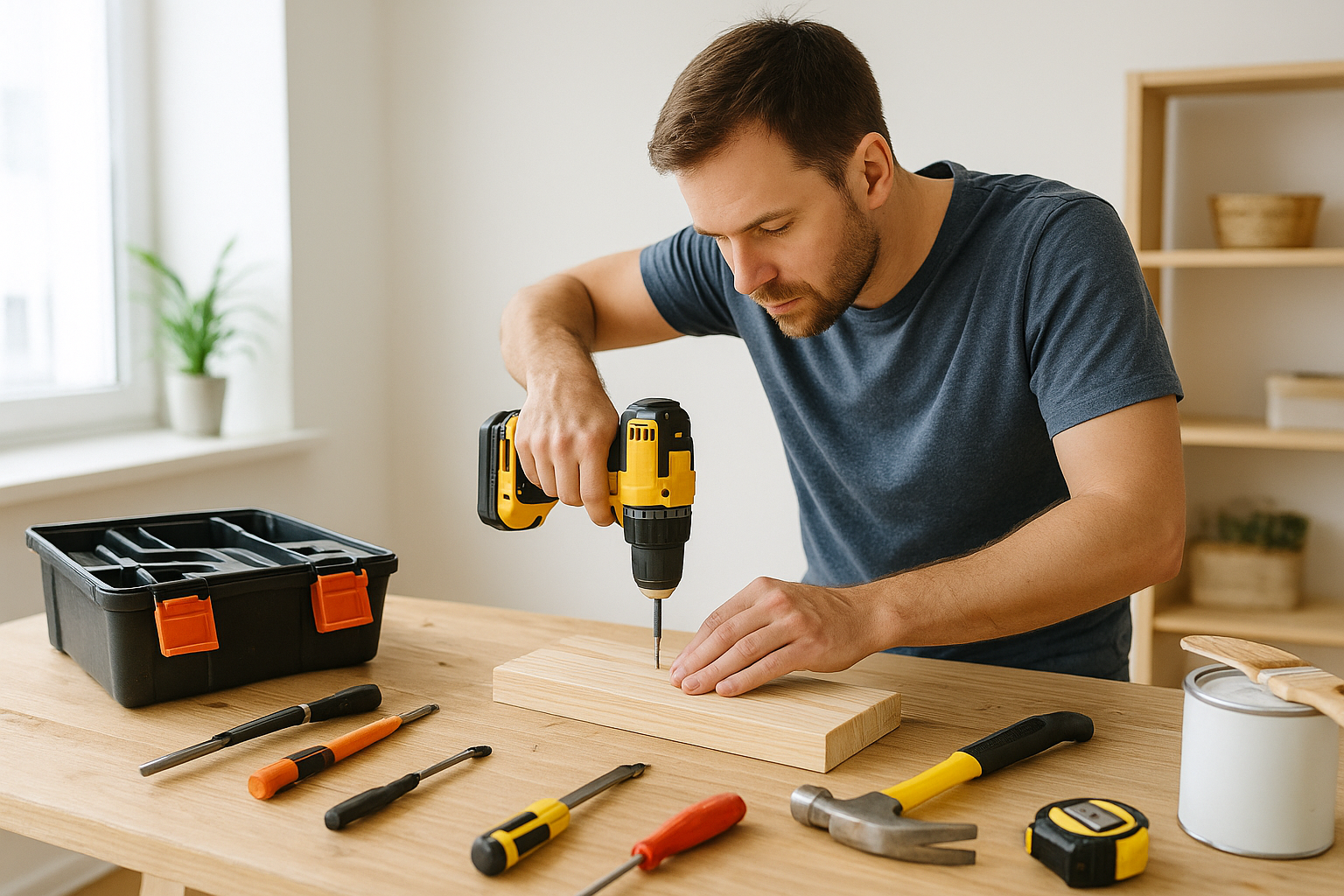
DIY means handling projects on your own without relying on paid professionals. It represents a mindset of independence, creativity, and self-sufficiency. Whether it’s home repair, crafting, or building, DIY lets individuals take full control.
The concept empowers people to learn skills, use tools effectively, and complete tasks. Instead of hiring specialists, you trust yourself to deliver results. This approach is often more affordable, rewarding, and deeply personal.
The Origin of DIY
The phrase “Do It Yourself” became popular in the mid-20th century. Initially, it was associated with home improvement and simple repairs. Over time, it grew into a cultural movement, symbolizing freedom and personal growth.
DIY expanded beyond construction and crafts into art, fashion, technology, and even digital projects. Today, it represents more than just fixing things. It symbolizes a lifestyle of self-reliance, creativity, and resourcefulness.
Why People Choose DIY
There are many reasons why people embrace DIY.
- Cost Savings: Avoid high labor fees by doing projects yourself.
- Creativity: Add personal style and unique touches to each project.
- Learning: Acquire valuable skills and knowledge.
- Satisfaction: Experience pride when completing tasks with your own hands.
- Flexibility: Work on your timeline and adjust as needed.
DIY also inspires emotional growth. Completing a project instills confidence, reduces stress, and provides meaningful satisfaction.
DIY in Home Improvement
Home improvement is one of the most common DIY categories. From painting walls to building shelves, people love personalizing their living spaces.
Some examples include:
- Installing new flooring.
- Building outdoor decks.
- Painting and refinishing furniture.
- Landscaping and gardening projects.
- Repairing small plumbing or electrical issues.
These projects not only save money but also boost property value. Homeowners enjoy both financial and personal rewards.
DIY in Crafts and Hobbies
DIY extends beyond home repair. Many people use it as a creative outlet through hobbies.
- Scrapbooking: Preserve memories with personal flair.
- Knitting or Sewing: Make clothes, blankets, and accessories.
- Woodworking: Build tables, chairs, or décor pieces.
- Jewelry Making: Create unique items with beads and metals.
Hobbies allow people to relax while creating something beautiful. They also promote problem-solving and enhance fine motor skills.
DIY in Modern Technology
Technology has transformed DIY projects. With online tutorials, YouTube videos, and detailed guides, knowledge is now easily accessible. Apps and forums help users collaborate and share ideas.
3D printing, for instance, allows anyone to design and build items at home. Technology has made DIY more approachable for beginners while offering advanced options for experts.
Emotional Benefits of DIY
DIY is not only practical but also emotional. Each completed task delivers a sense of achievement. It provides freedom from dependency and inspires confidence.
Many people describe DIY as therapeutic. Working with hands can reduce stress and promote focus. The emotional rewards often rival the financial savings.
Mistakes to Avoid in DIY Projects
While DIY can be empowering, mistakes are common. Avoid these pitfalls:
- Skipping Instructions: Leads to wasted time and resources.
- Using Wrong Tools: Can damage materials or cause injury.
- Rushing Work: Results in poor craftsmanship.
- Ignoring Safety: Always wear protective gear and follow safety protocols.
- Unrealistic Goals: Start small before attempting complex projects.
By learning from these errors, future projects become more successful and enjoyable.
DIY and Community
DIY is not just individual; it can be social. Communities, clubs, and online groups bring enthusiasts together. Sharing knowledge and tips makes the experience richer.
Workshops and maker spaces encourage collaboration. These environments let people borrow tools, learn new techniques, and build friendships. DIY thrives when people connect and grow together.
Why DIY Matters Today
In today’s fast-paced world, DIY holds even greater value. Rising service costs push people to explore affordable alternatives. Additionally, sustainability trends encourage people to recycle and repurpose materials.
DIY contributes to environmental consciousness. Restoring old furniture or repurposing items reduces waste. This mindset combines practicality with responsibility, making DIY a modern necessity.
Expanding DIY to Other Areas
DIY is versatile and can apply to many fields:
- Gardening: Grow vegetables, herbs, and flowers.
- Cooking: Experiment with recipes and create unique dishes.
- Automotive: Handle small car repairs and maintenance.
- Decorating: Personalize rooms with handmade artwork and crafts.
- Education: Build knowledge independently with self-study projects.
Each area allows individuals to gain confidence and mastery while keeping expenses manageable.
Taking the Next Step
DIY is more than a hobby—it’s a lifestyle choice. The power to create, repair, and transform lies in your hands. If you are interested in expanding your DIY skills, explore diy kitchen cabinets and unlock even more possibilities in home design.
Why This Information Helps You
Understanding DIY empowers you to make better decisions. Instead of relying on costly services, you gain control of your projects. This knowledge also helps you determine when professional help is necessary.
Content like this provides useful insights, guiding both beginners and advanced DIY enthusiasts. By applying these lessons, you can confidently save money, unleash creativity, and achieve personal growth.
Summary
So, what does DIY mean? It means taking control, embracing independence, and creating with passion. From home improvements to hobbies, DIY delivers empowerment. It saves money, builds confidence, and fosters creativity. By avoiding mistakes, embracing community, and exploring new fields, DIY becomes a way of life.
With its emotional, practical, and financial rewards, DIY stands as more than just a phrase—it is a mindset for success.