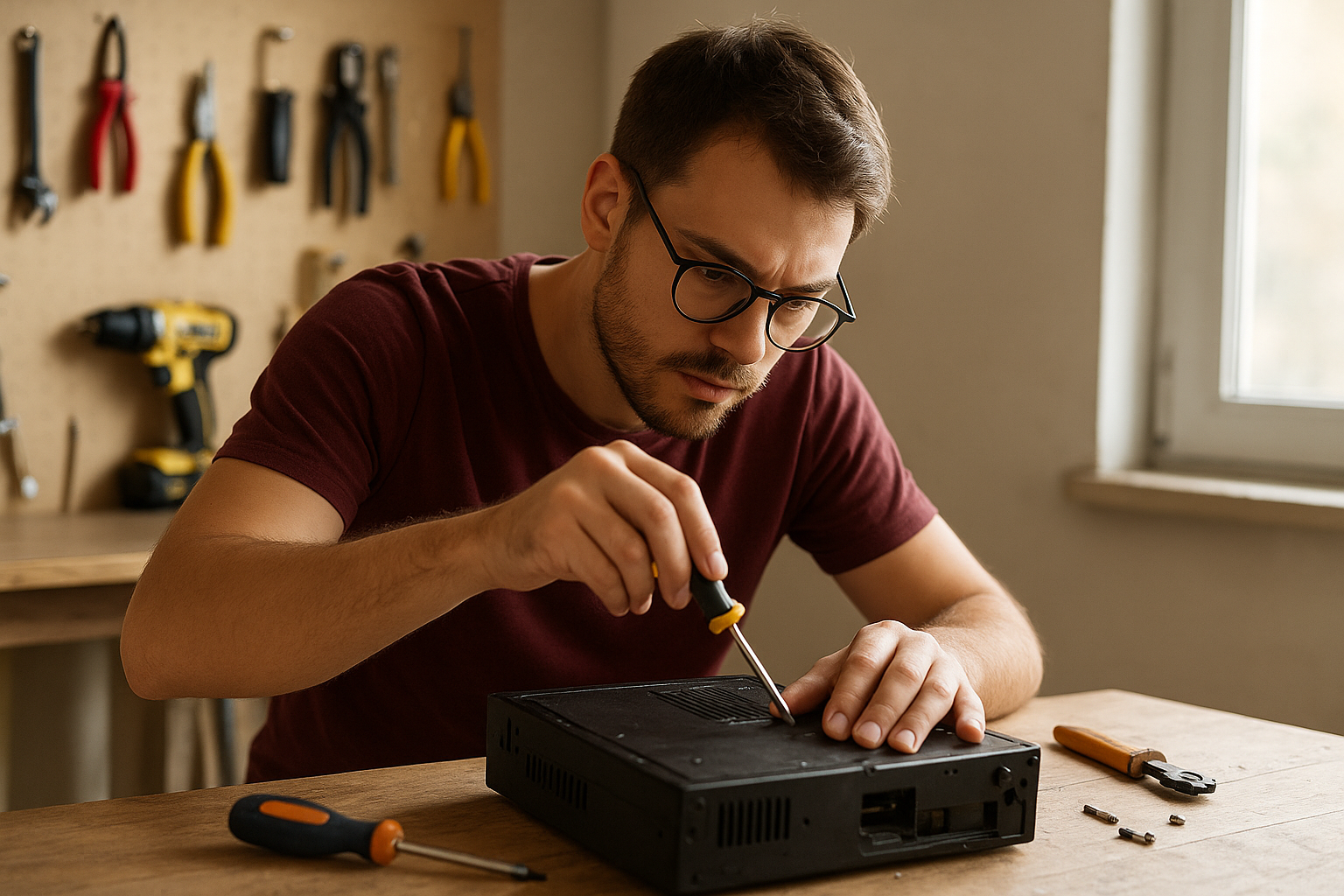
Unleash creativity, save money, and feel unstoppable
Why Is DIY So Popular?
DIY, short for “Do It Yourself,” is booming worldwide because it empowers people to create, repair, and customize their surroundings. It’s not just about saving money; it’s about self-expression, pride, and the joy of building something with your own two hands. Whether it’s crafting furniture, painting a wall, or fixing a leaky faucet, DIY gives people a chance to feel capable and creative.
DIY’s popularity exploded during recent years as more people sought independence, flexibility, and meaning in their daily lives. It’s more than a hobby—it’s a lifestyle movement that blends creativity, practicality, and emotional satisfaction.
The Emotional Pull of DIY
People love DIY because it connects deeply to the human spirit. There’s an emotional satisfaction in transforming ideas into tangible results. You start with an empty space, a pile of materials, or a broken gadget—and end up with something functional and beautiful.
That sense of ownership is powerful. Each project becomes a personal story of effort, mistakes, and triumph. The “I made that” moment never gets old. Plus, let’s be honest, showing it off to friends doesn’t hurt either.
Freedom, Creativity, and Control
DIY gives people freedom—the power to design, build, and innovate without relying on professionals. Want pink kitchen cabinets with glitter? Go for it. Prefer an industrial coffee table made of pipes and pallets? Absolutely.
People crave control over their environments, and DIY provides that. It’s a rebellion against mass-produced items and cookie-cutter designs. With every brushstroke or screw turned, creators imprint their personalities onto their spaces.
Economic Benefits and Budget Flexibility
Let’s face it—hiring professionals can be expensive. DIY projects allow you to save hundreds or even thousands. You pay for materials, not labor, and gain valuable skills along the way.
In tough economic times, that’s a massive draw. People learn to stretch budgets while still achieving beautiful, functional results. The satisfaction of saying “I did it myself and saved $500” is hard to beat.
Budget-Friendly Examples:
- Repurposing old wood into stylish furniture
- Painting cabinets instead of replacing them
- Using thrift store finds for creative home décor
These small victories make DIY financially smart and emotionally rewarding.
The Social Media Factor
Social media platforms like Pinterest, Instagram, and YouTube have supercharged the DIY trend. Visual tutorials, quick reels, and transformation videos inspire millions daily.
People see others succeeding, often hilariously, at home projects and think, “I can do that too!” Then suddenly, there’s sawdust everywhere, and you’ve accidentally glued your hand to a chair—but you’re still proud.
This culture of sharing has created communities where creativity thrives. Every “before and after” post becomes a celebration of self-reliance and imagination.
The Rise of DIY Education
The internet has made DIY more accessible than ever. From woodworking to plumbing to crafting, tutorials are everywhere. People no longer need to rely on old manuals or guesswork.
Online learning platforms have turned average homeowners into skilled creators. With a few videos, you can install lighting, refinish floors, or even build your own deck. Education has become democratized—and fun.
Sustainability and Eco-Friendly Living
Many embrace DIY because it aligns with sustainable living. People are reusing materials, reducing waste, and crafting eco-friendly alternatives to store-bought products.
Instead of discarding old furniture, they refurbish it. Instead of buying plastic décor, they create wood or fabric pieces. DIY encourages mindful consumption and teaches the value of upcycling.
Eco-Conscious DIY Examples:
- Building planters from reclaimed wood
- Creating reusable household cleaners
- Refurbishing old cabinets into new storage solutions
Doing it yourself helps the planet—and your wallet.
Humor, Heart, and Humanity
One of the best parts of DIY is its unpredictability. Things go wrong—constantly. Paint drips, shelves tilt, and that “easy 10-minute project” turns into a four-hour adventure. But those moments create memories.
DIY teaches patience, resilience, and humility. You might start cursing, but end up laughing. And that’s the beauty of it—it’s perfectly imperfect. The process matters just as much as the outcome.
Plus, when you finally complete a project, you feel unstoppable. That rush of accomplishment fuels your next idea—and before long, your garage looks like a hardware store exploded.
Cultural Shift Toward Self-Reliance
Today’s DIY culture reflects a broader social change. People want independence from corporations and a sense of control in uncertain times. DIY gives that back.
It’s not just about building things—it’s about building confidence. Completing projects yourself nurtures a mindset of capability, adaptability, and pride. In a world full of ready-made solutions, DIY reminds us we can still make our own.
DIY as a Family or Social Activity
DIY also brings people together. Families, friends, and partners often tackle projects collectively, sharing laughter, effort, and sometimes frustration. Kids learn practical skills while adults rediscover creativity.
It’s teamwork with a personal twist. Building a bookshelf or designing wall art becomes an opportunity to bond and grow together. And yes, even when things go sideways, it’s still fun.
Curiosity Drives Innovation
DIY thrives on curiosity. People experiment, adapt, and innovate. They push boundaries and discover new ways to solve problems. Every failure becomes a learning opportunity.
That curiosity keeps the movement alive. From crafting jewelry to renovating homes, DIYers constantly evolve, blending old traditions with modern techniques.
Want to Know More About DIY’s Meaning?
If you’re still curious about the roots and philosophy behind this movement, explore What does DIY mean? It’ll give you deeper insight into how this trend reshaped creativity, culture, and home life worldwide.
Understanding DIY’s true essence will inspire your next project—and maybe convince you to pick up that toolkit you’ve been ignoring.
Summary
DIY is popular because it empowers creativity, independence, and financial freedom. It offers emotional rewards, practical skills, and a sense of accomplishment that’s hard to match.
From simple crafts to complex renovations, people are embracing the power of “doing it yourself” to shape their spaces and identities.
The movement continues to grow because it speaks to something universal—the human desire to create, improve, and belong. So, grab your hammer, your glue gun, or your paintbrush. Whether you nail it or fail it, the journey is worth it.