Introduction
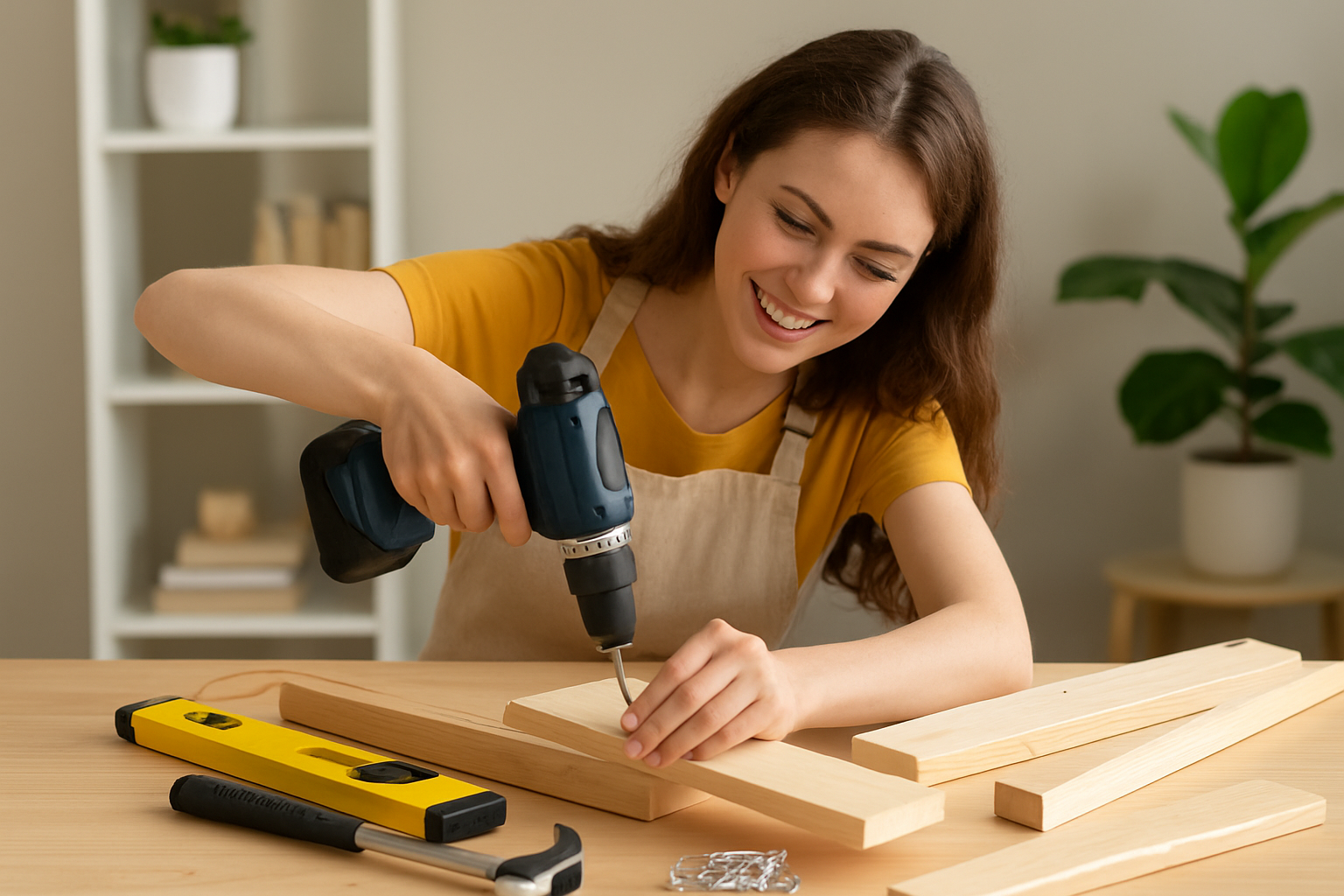
DIY projects bring joy, creativity, and calm into our lives. Beyond saving money, they offer emotional rewards that fuel happiness and confidence.
So, Is DIY Good for Your Mental Health?
Yes—DIY is incredibly good for your mental health! Engaging in do-it-yourself projects fosters focus, satisfaction, and a sense of achievement. It’s not just about fixing or creating—it’s about finding peace in productivity.
Modern life often leaves people overwhelmed by stress, screens, and the fast pace of daily routines. DIY provides an outlet—a mindful escape from chaos. When your hands are busy sanding wood or painting walls, your brain quiets down, focusing on the moment. That’s pure mindfulness in action.
The Science Behind DIY and Mental Well-being
Psychologists have found that hands-on activities improve cognitive function, lower anxiety, and enhance mood. Crafting, building, or repairing something taps into both logic and creativity. The brain loves that balance.
- Reduced stress: Manual work distracts from anxious thoughts.
- Increased confidence: Finishing a project brings a powerful sense of accomplishment.
- Better focus: Concentration strengthens through problem-solving and design decisions.
- Emotional satisfaction: Creating something tangible nurtures joy and pride.
It’s a healthy feedback loop—DIY reduces stress, which improves mood, which inspires more creativity. It’s a win-win for your mind.
How DIY Nurtures Positivity
DIY isn’t just an activity—it’s therapy disguised as a hobby. Each project allows you to express individuality and gain control over your environment.
When life feels uncertain, painting a wall or fixing a cabinet gives instant results and empowerment. You become the hero of your own story—one hammer swing at a time.
Working with your hands also releases endorphins, your body’s natural mood boosters. That’s why finishing a DIY bookshelf feels just as good as a workout (minus the sweat, thankfully).
Humor in the Hammer: Laugh Through Mistakes
Let’s be honest—DIY isn’t perfect. You’ll mismeasure, spill paint, or accidentally glue something to your hand. But here’s the beauty—those mishaps teach patience and self-compassion.
One crooked shelf won’t ruin your home, but it will give you a funny story. Laughter, after all, is another natural stress reliever.
The Emotional Connection of Creating
Human beings are wired to create. From cave paintings to custom shelves, making things connects us to our purpose. DIY taps into that primal satisfaction.
Building something from scratch tells your brain: “I can solve problems. I can improve my world.” That’s incredibly empowering. And empowerment reduces feelings of helplessness, one of the key factors in anxiety and depression.
DIY as a Mindfulness Practice
When you paint, sew, or hammer, you’re present in every motion. That’s mindfulness in its simplest form—awareness through action.
Mindfulness doesn’t always require meditation or yoga mats. Sometimes it’s about tightening screws, arranging plants, or hanging shelves while breathing steadily.
- Focus on rhythm: Brush strokes and sanding movements have a meditative flow.
- Observe textures: The grain of wood, the softness of fabric—it’s grounding.
- Be patient: Good DIY takes time, teaching calm persistence.
Building Confidence Through DIY
Every project you complete becomes a confidence booster. That “I did it!” moment releases dopamine, the brain’s feel-good chemical. Over time, these small victories build long-term resilience.
Confidence gained through DIY often spills into other areas of life. Suddenly, fixing a leaky faucet makes facing Monday meetings seem easier.
DIY and Community Connection
DIY isn’t always a solo mission. Online groups, local workshops, and home improvement forums connect like-minded creators. Sharing progress or asking for advice strengthens social bonds—a proven way to boost mental health.
Helping others with projects or learning new techniques from peers creates belonging. That connection counteracts loneliness and promotes positivity.
When DIY Becomes Too Much
Of course, balance matters. Too many projects can become overwhelming, defeating the purpose. Know when to take a break. DIY should heal, not exhaust.
Set realistic goals. Start small—fixing a drawer or painting one wall. Gradual progress maintains joy without stress.
Why Humor Helps in DIY
It’s okay to laugh at your own mistakes. Maybe that bookshelf tilts slightly—but hey, call it “modern art.” Humor lightens frustration and reminds you that perfection isn’t required for happiness.
The journey of creation—messy hands and all—matters more than the outcome.
Inspiration Beyond the Toolbox
DIY influences your mental health long after the project ends. Looking at something you built fills you with pride and joy. It’s a physical reminder of your capabilities.
Even better, DIY encourages self-reliance, creativity, and mindfulness that extend into daily routines. That mental clarity benefits every decision you make.
If you’re new to home projects, start with small ones. You don’t need fancy tools—just curiosity, patience, and a willingness to learn. Over time, you’ll find DIY becomes more than a hobby; it becomes a mindset.
And if you’re curious about how this creative movement started, check out Why is DIY so popular? to understand the cultural and emotional power behind this growing trend.
Final Thoughts
DIY is more than nails, glue, or paint—it’s a form of self-care. It calms the mind, builds resilience, and fills life with purpose.
Whether you’re constructing a bookshelf, fixing furniture, or painting a wall, every project strengthens mental health. The satisfaction of doing something yourself—no matter how small—creates a deep sense of fulfillment.
So, grab your tools, embrace your inner creator, and remember—mental wellness might just be one project away.
Summary
DIY offers far more than creative expression. It reduces stress, boosts confidence, and connects people to purpose. Humor and imperfections make it even more rewarding. When done mindfully, DIY becomes a joyful practice that heals the mind and uplifts the spirit.