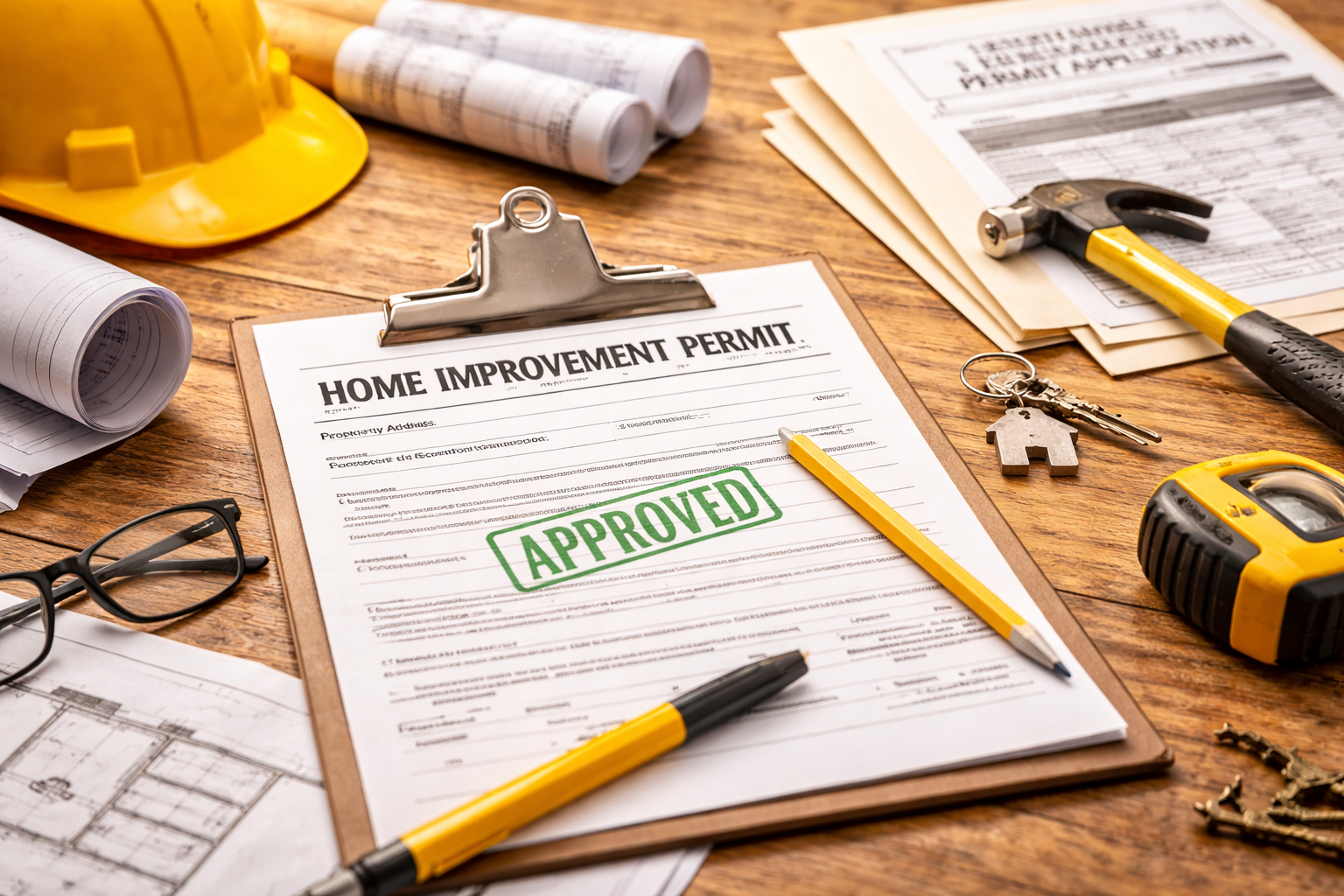
DIY projects can be exciting, rewarding, and sometimes financially smart. However, one critical question many homeowners overlook is whether their project requires a permit. Skipping this step can lead to fines, project delays, or even complications when selling your home.
So how do you know when a DIY project requires a permit?
In most cases, a permit is required when a project involves structural changes, electrical work, plumbing modifications, or significant alterations to a home’s safety systems. Permits exist to ensure work meets local building codes and protects both homeowners and future buyers.
Understanding when permits are required can save you time, money, and potential legal issues. This guide explains how permits work, which DIY projects typically require them, and how to determine whether your project needs official approval.
Why Building Permits Exist
Building permits are designed to protect homeowners, neighbors, and the surrounding community. They ensure that construction and renovation work follows established safety standards.
When a permit is issued, local building departments review the project plans and verify that the work complies with building codes. Inspections may also be required during or after the project.
Permits serve several important purposes:
- Protect structural integrity
- Ensure electrical safety
- Verify proper plumbing installation
- Maintain fire safety standards
- Protect property values
Without permits, unsafe work may go unnoticed until it causes serious problems.
Common DIY Projects That Require Permits
Not every home improvement project requires a permit. However, many projects do—especially those involving major systems or structural changes.
Structural Changes
Any modification that affects a home’s structure typically requires a permit.
Examples include:
- Removing load-bearing walls
- Building additions
- Constructing decks
- Adding new windows or doors
- Modifying roof structures
Structural work affects the stability of the building. Permits ensure these changes are engineered safely.
Electrical Work
Electrical systems carry significant safety risks. Improper installations can cause fires or electrical shock.
Electrical projects that often require permits include:
- Installing new circuits
- Upgrading electrical panels
- Adding outlets in new locations
- Rewiring sections of the home
- Installing new lighting systems requiring wiring changes
Simple tasks like replacing light fixtures may not require permits, but larger electrical upgrades usually do.
Plumbing Modifications
Changing plumbing systems can impact water pressure, drainage, and sanitation.
Plumbing projects that commonly require permits include:
- Moving sinks or toilets
- Installing new water lines
- Replacing water heaters
- Installing new bathrooms
- Modifying drain systems
These projects must comply with plumbing codes to prevent leaks and water damage.
HVAC Installations
Heating and cooling systems often require permits because they involve electrical connections, ventilation, and energy efficiency regulations.
Projects requiring permits may include:
- Installing central air conditioning
- Replacing furnaces
- Installing ventilation systems
- Adding ductwork
Improper HVAC installation can lead to safety hazards and energy inefficiency.
DIY Projects That Usually Do NOT Require Permits
Many cosmetic or surface-level upgrades typically don’t require permits.
These projects often include:
- Painting walls
- Installing flooring
- Replacing cabinet hardware
- Installing shelves
- Landscaping improvements
- Installing peel-and-stick backsplash tiles
Because these projects do not alter major systems or structures, permits are usually unnecessary.
However, it’s still wise to verify with your local building department before starting.
How to Determine if Your Project Needs a Permit
Permit requirements vary by city, county, and state. Therefore, the safest approach is to confirm requirements before beginning work.
Here are the steps homeowners should take.
1. Contact Your Local Building Department
Local building departments oversee permits and inspections. Most municipalities have online permit resources or phone support.
Provide details about your project and ask whether permits are required.
They may request information such as:
- Project scope
- Materials used
- Square footage affected
- Structural modifications
Local officials can clarify requirements quickly.
2. Review Local Building Codes
Many cities publish building codes online. These guidelines outline when permits are required and what types of work must meet specific standards.
Building codes exist to protect homeowners and ensure consistency across construction projects.
Understanding these regulations helps you plan projects responsibly.
3. Consider the Scope of the Work
A good rule of thumb is simple: if the project changes the structure, electrical system, plumbing system, or mechanical systems of your home, a permit is likely required.
Cosmetic improvements usually fall outside permit requirements.
4. Check Homeowner Association (HOA) Rules
If you live in a neighborhood with a homeowners association, additional approvals may be required.
HOAs sometimes regulate:
- Exterior modifications
- Fences
- Deck construction
- Landscaping changes
Even if a project doesn’t require a municipal permit, HOA approval may still be necessary.
Consequences of Skipping Permits
Some homeowners attempt DIY work without permits to save time or avoid fees. However, this decision can create serious problems.
Potential consequences include:
- Fines from local authorities
- Required removal of completed work
- Failed home inspections during resale
- Insurance complications after damage
- Liability risks if injuries occur
Unpermitted work can also reduce buyer confidence when selling your home.
Home inspectors often flag unapproved renovations, which can delay or cancel real estate transactions.
Permits and Home Resale
Permits are especially important if you plan to sell your home in the future.
Buyers and inspectors often review permit records to verify that major upgrades were completed properly.
Unpermitted work may raise concerns about safety, structural integrity, or code compliance.
Even well-executed DIY projects can lose value if they lack proper documentation.
Understanding Permit Costs
Permit fees vary widely depending on location and project complexity.
Some permits cost as little as $50, while larger projects may require fees of several hundred dollars.
Permit costs usually cover:
- Plan review
- Building inspections
- Administrative processing
While these fees may feel inconvenient, they protect homeowners from unsafe construction.
Inspections and What They Involve
When a permit is issued, inspections are often scheduled at different stages of the project.
For example:
- Electrical rough-in inspections
- Plumbing installation inspections
- Structural framing inspections
- Final safety inspections
These inspections ensure work meets safety standards before the project continues.
Although inspections may seem intimidating, they provide valuable guidance and help identify issues early.
Planning DIY Projects Around Permits
Understanding permit requirements early can help you avoid delays.
Before starting any major project:
- Define the scope of the work.
- Contact local authorities to confirm permit requirements.
- Submit necessary applications.
- Schedule inspections if required.
Planning ahead prevents disruptions once construction begins.
Why Permits May Increase DIY Costs
Some homeowners hesitate to obtain permits because they increase the total project budget.
However, permit costs are often small compared to the potential consequences of skipping them.
Unexpected permit requirements can also contribute to budget increases during renovations. If you’re curious about why costs sometimes rise unexpectedly during projects, reading Why do DIY projects sometimes cost more than expected? can help explain how hidden expenses develop during home improvements.
Understanding these factors can help homeowners budget more accurately and avoid unpleasant surprises.
Tips for Safe and Responsible DIY Projects
To ensure your DIY projects remain safe and compliant, consider the following tips.
- Always research permit requirements before starting work
- Keep documentation of permits and inspections
- Follow manufacturer installation instructions
- Use proper safety equipment
- Consult professionals for complex systems
DIY can be rewarding, but responsible planning ensures that improvements remain safe and valuable.
When Hiring a Professional May Be Better
Certain projects may be better handled by licensed professionals.
These include:
- Major electrical panel upgrades
- Structural modifications
- Gas line installations
- Foundation repairs
- Large plumbing system changes
Licensed professionals understand building codes and permit processes, reducing the risk of compliance issues.
Final Thoughts
So how do you know when a DIY project requires a permit?
In general, permits are required whenever a project affects the structure, electrical system, plumbing, or mechanical systems of a home. Cosmetic upgrades usually do not require approval, but it’s always wise to verify local regulations.
Permits protect homeowners by ensuring renovations meet safety standards and building codes. While obtaining permits may add extra steps to the process, they ultimately safeguard your property, finances, and future resale value.
DIY projects can be incredibly rewarding when approached with proper planning and awareness. By understanding permit requirements before starting work, homeowners can avoid costly mistakes and ensure their projects remain both safe and successful.