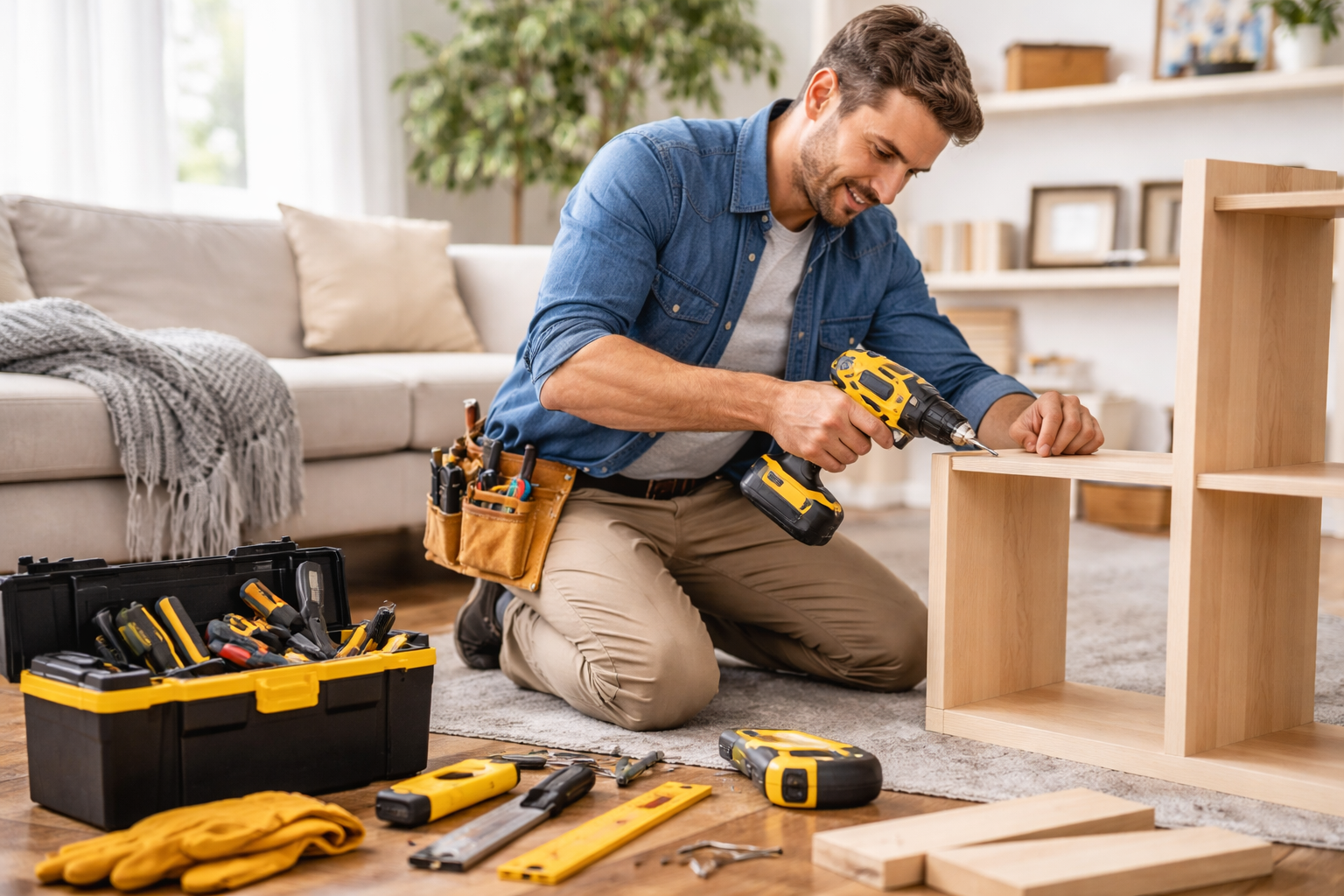
DIY is often associated with quick savings, but the real financial power of DIY comes from long-term skill development. Learning the right skills can reduce recurring expenses, eliminate service fees, and give you control over your home maintenance.
So, what DIY skills save the most money long term?
The most valuable DIY skills are those that address frequent household needs, prevent costly repairs, and reduce reliance on professionals. These include painting, basic plumbing, electrical fixes, carpentry, and maintenance skills that compound savings over time.
In this guide, you’ll discover the most cost-saving DIY skills, how they impact your finances, and how to prioritize learning them for maximum return.
Why Long-Term DIY Skills Matter
Many homeowners focus on one-time DIY projects. However, long-term savings come from repeatable skills.
For example:
- Painting once saves money once
- Learning to paint saves money every time
DIY skills function like investments. The more you use them, the more they pay off.
Over time, even small repairs add up to thousands of dollars saved.
1. Painting and Surface Finishing
Painting is one of the most valuable DIY skills you can learn.
Hiring professional painters can cost:
- $300–$800 per room
- $2,000–$5,000 for full interiors
Learning to paint properly allows you to refresh your home whenever needed.
Why Painting Saves Money
- Covers wear and damage
- Updates style affordably
- Prevents surface deterioration
- Increases resale appeal
Key Skills to Master
- Surface preparation
- Cutting clean edges
- Applying even coats
- Using primer effectively
A well-painted room can look professionally finished and dramatically improve your space.
2. Basic Plumbing Repairs
Plumbing issues are common and often urgent.
Service calls can cost $100–$300 just for diagnosis.
Learning basic plumbing skills can eliminate these recurring costs.
High-Value Plumbing Skills
- Fixing leaky faucets
- Replacing showerheads
- Installing new fixtures
- Unclogging drains
- Repairing running toilets
These tasks require minimal tools and can prevent larger, expensive issues.
3. Electrical Basics
Electrical work can be intimidating, but some tasks are safe and simple to learn.
Professional electricians often charge:
- $100–$200 per hour
Learning basic electrical skills can lead to significant savings.
Safe DIY Electrical Tasks
- Replacing light fixtures
- Installing outlets
- Changing switches
- Installing ceiling fans
Always follow safety guidelines and turn off power before working.
Avoid complex electrical work unless properly trained.
4. Carpentry and Woodworking
Carpentry is one of the most versatile DIY skills.
It allows you to build, repair, and customize your home.
Cost-Saving Benefits
- Build your own furniture
- Repair damaged structures
- Install shelving and storage
- Customize layouts
Instead of buying expensive furniture, you can create durable, custom pieces at a fraction of the cost.
5. Drywall Repair
Wall damage happens frequently—holes, dents, and cracks are inevitable.
Hiring professionals for drywall repair can cost $150–$500 per visit.
Learning to repair drywall allows you to maintain your walls continuously.
Essential Drywall Skills
- Patching holes
- Sanding smoothly
- Blending textures
- Painting over repairs
A well-done repair is nearly invisible.
6. Flooring Installation
Flooring projects can be expensive when outsourced.
Labor alone may cost:
- $3–$10 per square foot
Learning to install flooring can result in significant savings.
DIY-Friendly Flooring Types
- Laminate
- Vinyl plank
- Click-lock hardwood
Proper measurement and planning are essential for success.
7. Caulking and Sealing
This is one of the simplest yet most overlooked DIY skills.
Caulking prevents:
- Water damage
- Air leaks
- Mold growth
Professional sealing services may cost hundreds of dollars, but DIY caulking costs very little.
Where to Apply Caulking
- Bathrooms
- Kitchens
- Windows
- Baseboards
Maintaining seals protects your home and prevents costly repairs.
8. Appliance Maintenance
Appliances are expensive to replace.
Learning basic maintenance extends their lifespan.
High-Value Maintenance Skills
- Cleaning dryer vents
- Replacing filters
- Maintaining refrigerators
- Checking seals and connections
Regular maintenance reduces the risk of breakdowns and costly replacements.
9. Exterior Maintenance and Landscaping
Outdoor maintenance can quickly become expensive when outsourced.
Learning basic landscaping skills allows you to maintain your property affordably.
Cost-Saving Outdoor Skills
- Lawn care
- Mulching
- Basic irrigation repair
- Fence maintenance
- Pressure washing
Curb appeal improvements also increase home value.
10. Window Treatments and Installations
Window treatments are often overlooked, but they can be expensive when purchased and installed professionally.
Learning to create or install your own solutions can save money.
For example, exploring diy shutters uk can help you understand how to design and install stylish window coverings without professional costs.
Custom window treatments can cost hundreds—or even thousands—per room. DIY alternatives significantly reduce expenses.
11. Problem Diagnosis Skills
One of the most valuable DIY abilities is identifying problems early.
Instead of calling a professional immediately, you can:
- Diagnose issues
- Determine severity
- Decide whether DIY is appropriate
Accurate diagnosis prevents unnecessary service calls and reduces costs.
12. Preventative Maintenance
Preventative maintenance saves more money than repairs.
Small tasks can prevent large expenses.
Examples Include
- Cleaning gutters
- Inspecting roofs
- Sealing cracks
- Checking plumbing connections
Preventing damage is always cheaper than fixing it.
How DIY Skills Compound Over Time
The real power of DIY lies in repetition.
Each skill you learn can be applied multiple times across different projects.
For example:
- Painting one room saves money once
- Painting your entire home over time multiplies savings
Similarly, fixing one plumbing issue may save $150. Fixing ten issues over time saves $1,500.
DIY skills create cumulative financial benefits.
When DIY Doesn’t Save Money
Not all DIY projects are cost-effective.
Some situations require professional expertise.
Avoid DIY when:
- Structural integrity is involved
- Electrical systems are complex
- Plumbing requires permits
- Safety risks are high
Knowing when to hire professionals is just as important as knowing what to DIY.
How to Start Learning DIY Skills
If you’re new to DIY, start small.
Step-by-Step Approach
- Choose simple projects
- Watch tutorials
- Practice on low-risk tasks
- Invest in basic tools
- Build confidence gradually
Over time, your skills—and savings—will grow.
Tools That Support Long-Term Savings
Investing in quality tools supports multiple projects.
Essential tools include:
- Drill
- Level
- Tape measure
- Screwdriver set
- Utility knife
- Stud finder
These tools pay for themselves after just a few projects.
The Confidence Factor
DIY isn’t just about saving money—it’s about building confidence.
Each successful project reinforces your ability to solve problems and improve your home.
Confidence leads to better decision-making, which further reduces costs.
Final Thoughts
So, what DIY skills save the most money long term?
The most valuable skills are those that:
- Address common household issues
- Prevent future damage
- Reduce reliance on professionals
- Can be used repeatedly
Painting, plumbing, electrical basics, carpentry, and maintenance skills all provide long-term financial benefits.
DIY isn’t just a hobby—it’s a strategy for financial efficiency.
By investing time in learning these skills, you gain independence, confidence, and control over your home expenses.
Over the years, those savings can add up to thousands of dollars.